

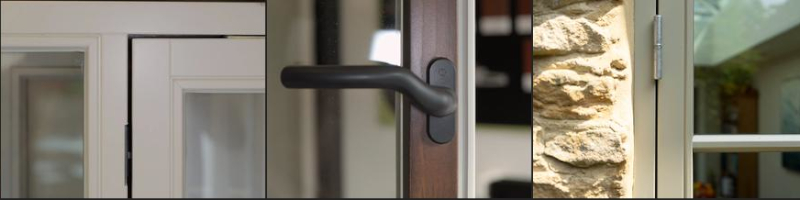
Cleaning Timber windows
Yes, we know, but it is actually important. Especially when most people who clean their windows are just wiping the glass down. Cleaning the frames correctly will help your timber windows live a long and full life. Read on for our recommendations for cleaning your timber windows.
Quick & Simple
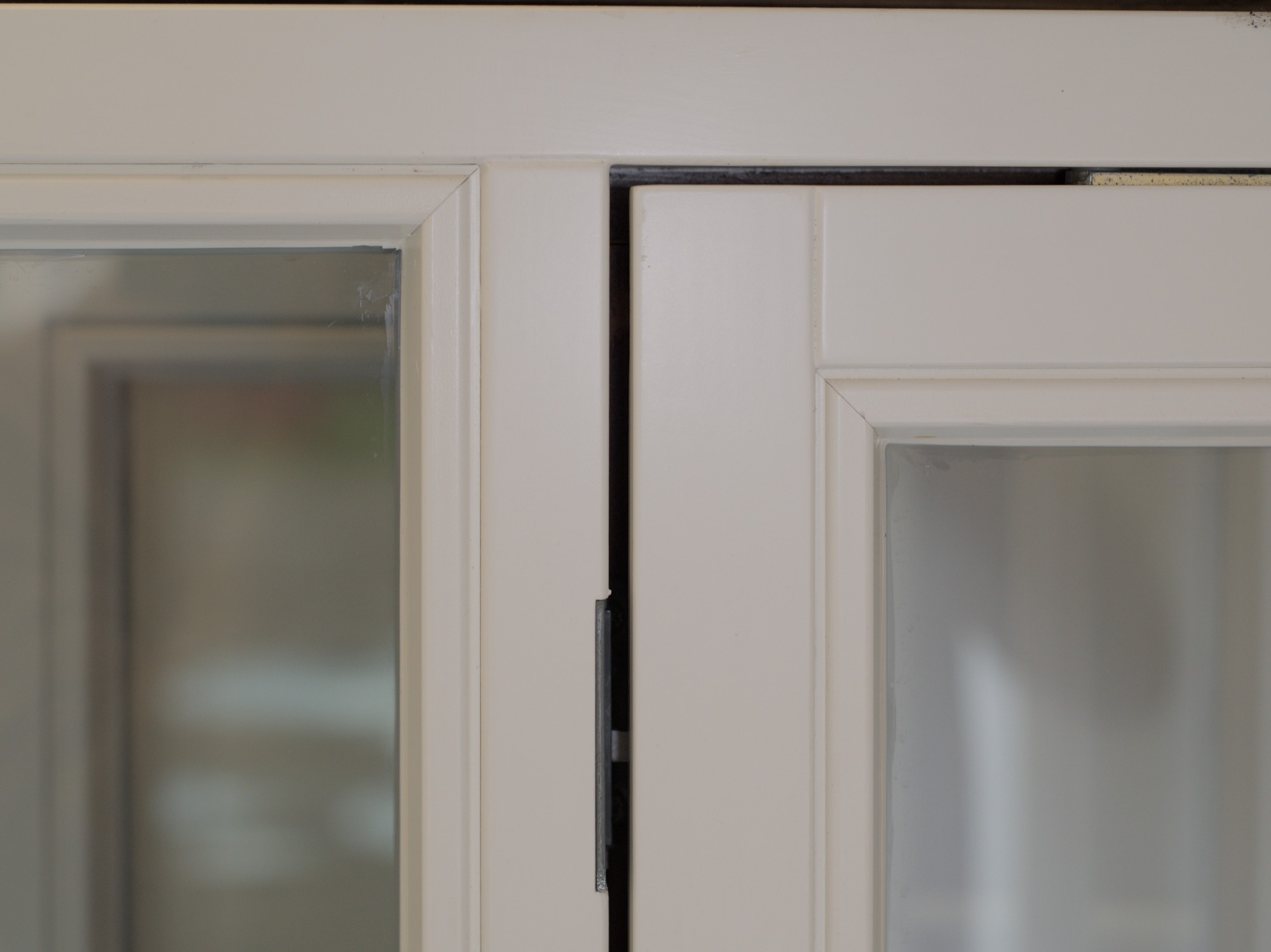
Use a damp, soft cloth – microfibres are fantastic. Most dirt will come away easily from the smooth paint finish with very gentle movements.
A bit of washing up liquid and warm water should deal with any dirt and grime that’s more well-adhered to the paint. We recommend being gentle and taking some time over this if necessary. It’s far less hassle than re-painting!
- How often should I clean my timber windows?
- We recommend cleaning your windows at-least twice a year, more often if the windows are in very exposed positions or if you live near the coast.
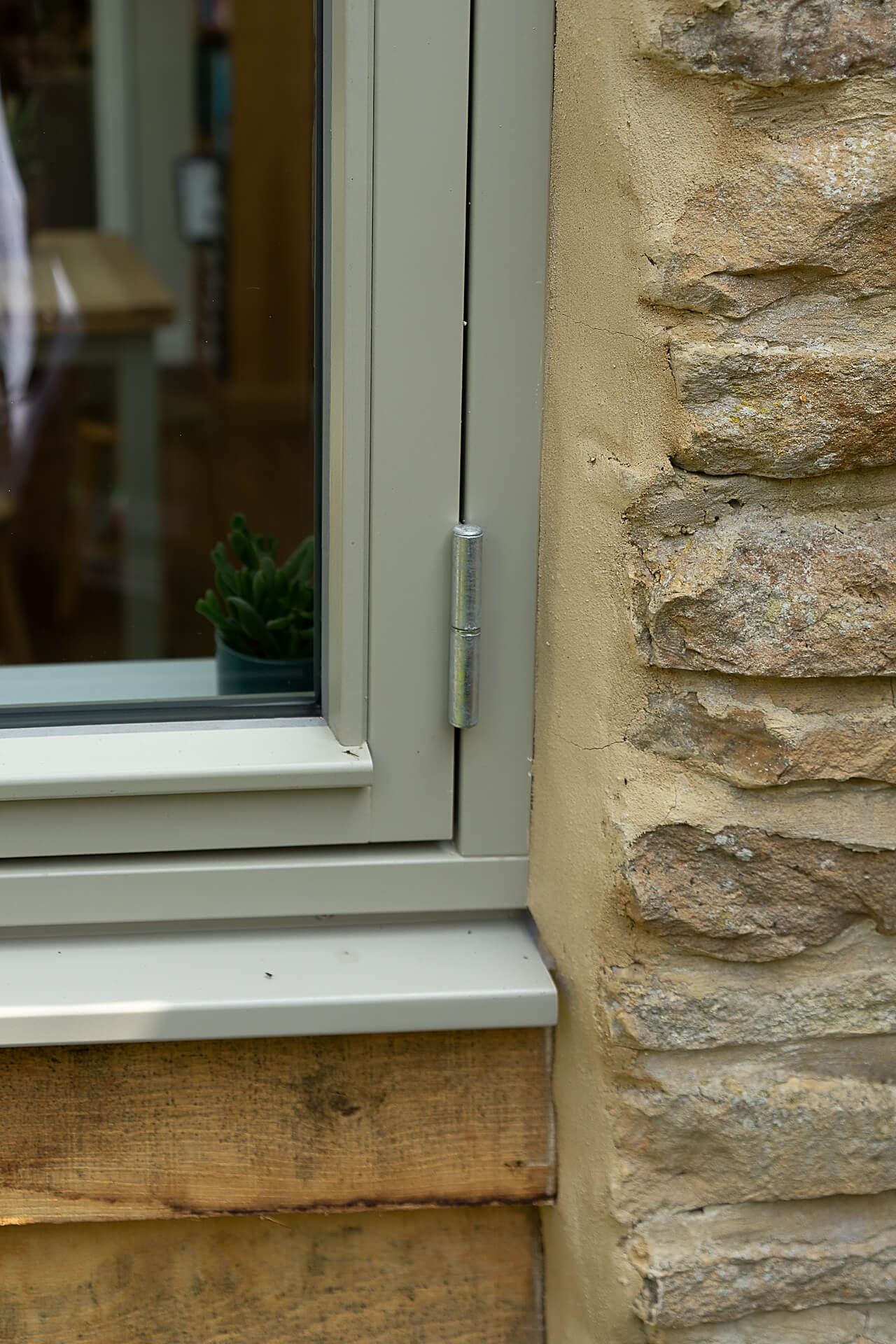
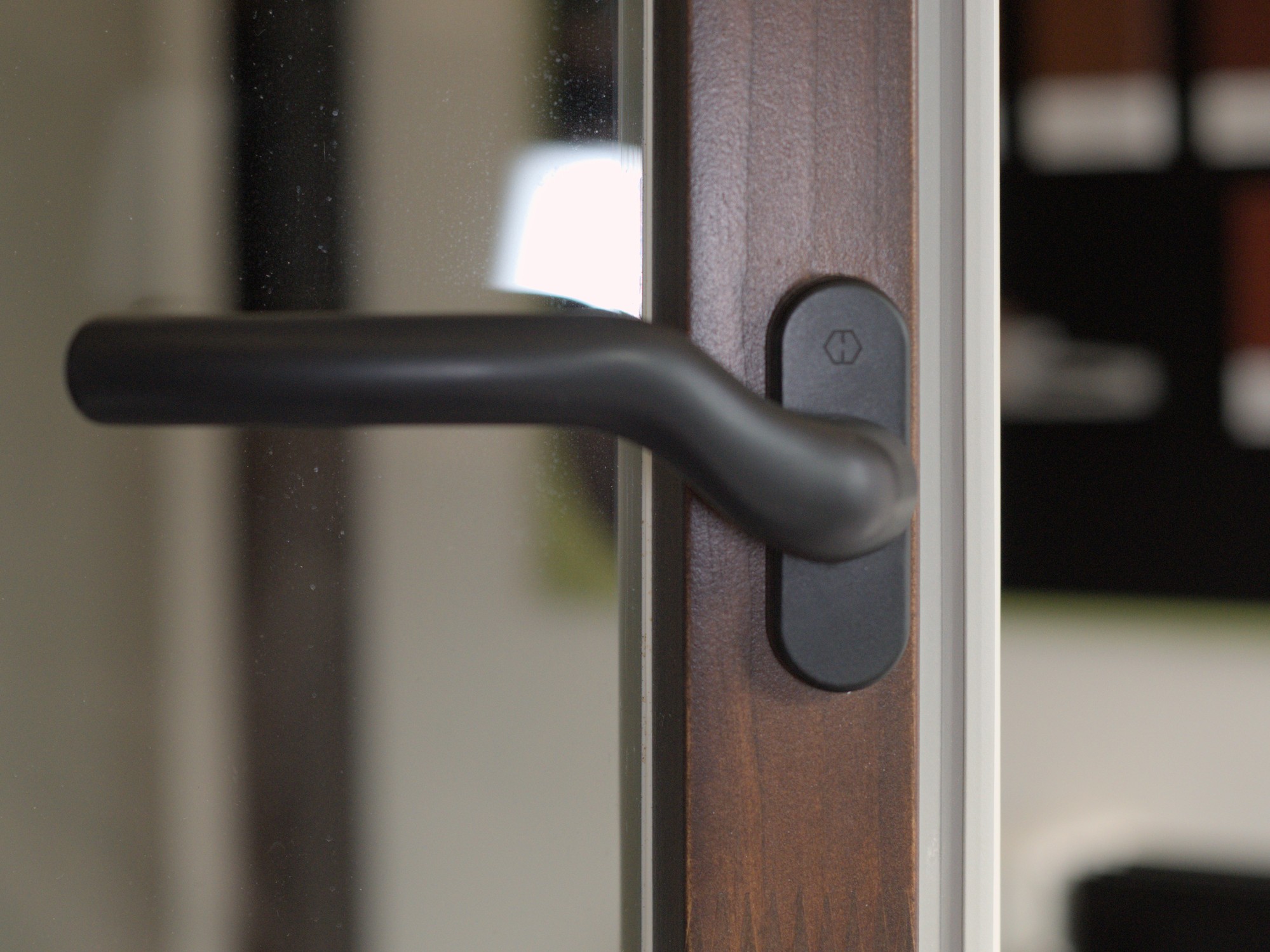
You can clean mechanical components equally easily with a cloth and some warm soapy water. If they need a more in-depth clean, you can use isopropyl alcohol on metal parts, but should avoid using on plastics and paint. Mechanical components may require you to lubricate them, your product manual should include when and what to use for this. Or contact your supplier and they should be able to find out for you. Generally, the advice is to use an acid-free oil.
- Can I use glass cleaner on timber windows?
- Yes, but we recommend rinsing any cleaner off the timber immediately afterwards, as some glass cleaners contain ammonia which can damage paint.

Easy Please-Don’t-Try-This Rules!
- Do Not use isopropyl alcohol or other solvents on paint. The paint used on timber windows will soften, become tacky, and then smear off terribly. We have encountered this.
- Do not use pressure washers. Most people reading this wouldn’t, but the writer did once get theirs out before realising the mistake. It’s a generally terrible idea as the pressure can be enough to dent the timber, or possibly damage the seals. Paint can be stripped clean off if you combine a small chip and an angled jet.
- Avoid using hot water: if you can put your hand in it, you’re good to go. If it’ll hurt your hand, it’ll probably hurt the paint. Paint on timber windows isn’t designed to deal with high temperatures.
Clean Immediately After Noticing
Certain types of stains and dirt should be removed quickly; the most common of these are listed below.
- Bird droppings: these are acidic which etches away the paint
- Tea/Coffee: both will stain, so it’s best to wipe them off soonish
- Painters tape/masking tape. Whilst not a bother in the short term, painters tape should be removed in a timely manner, and any stuck residue wiped away with a microfibre. Many adhesives contain acids which will slowly damage the paint. Try not to leave on for more than a day, and always use low-tack tape.
Final Outliers
Homes near the coast should be cleaning frames regularly, regardless of how they look. Salt-air environments can affect anything exposed, so it’s even more important to keep on top of a cleaning schedule throughout the year. You’ll find that most factory warranties will have wording in the not-covered-within-the-guarantee section to the effect of “damage caused by lack of basic maintenance”.
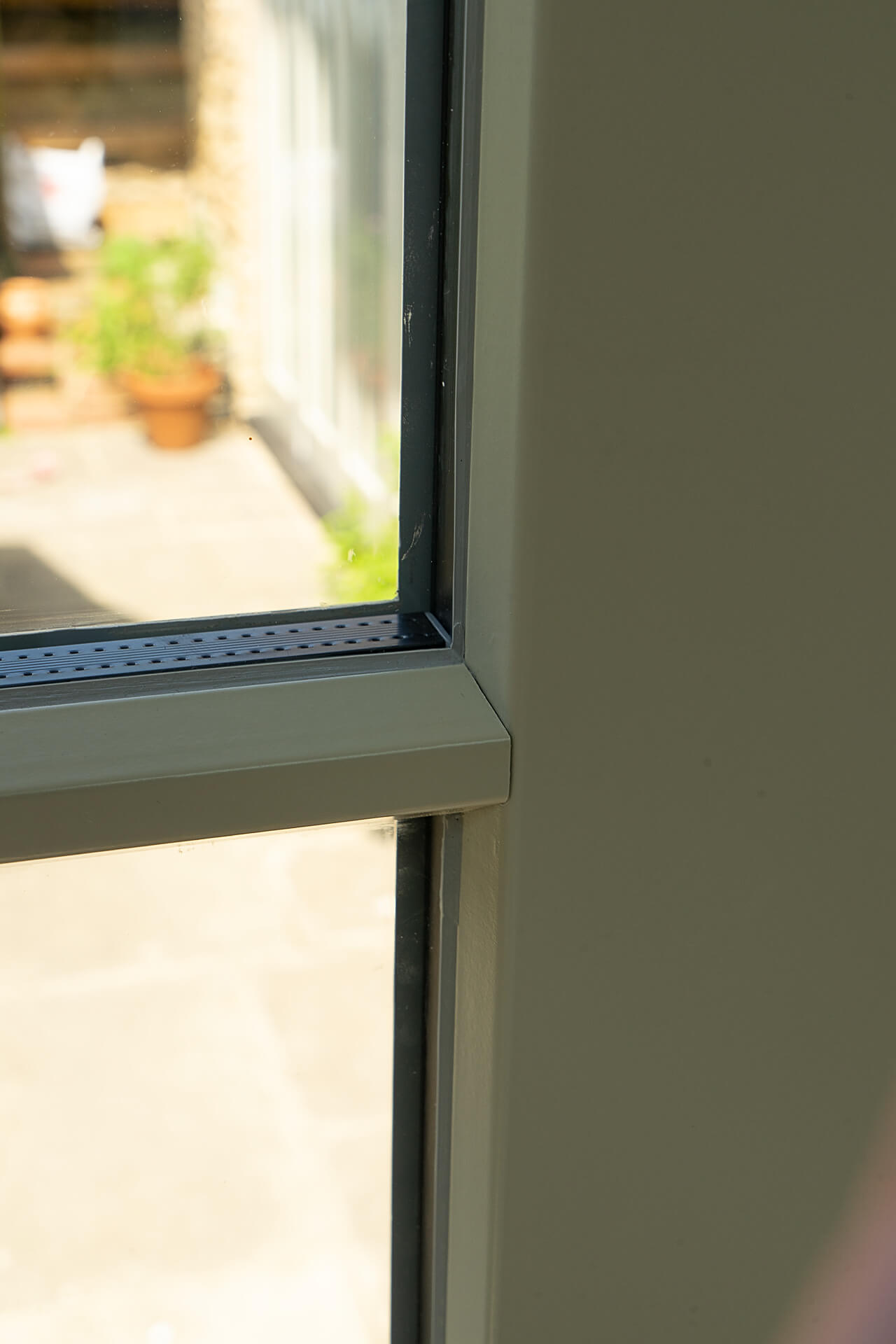
Aluminium-clad timber windows are designed to be much lower maintenance. Nonetheless, that doesn’t mean “zero-maintenance” if they are to last their 80+ year lifespan. As with timber, the external face has to deal with being exposed to everything over the years. Therefore, running a damp soapy microfibre around the frames when you next clean the glass will make a difference in the long term.
Contact us!
For any questions about our products and services, or to get your quote,
please get in touch by phone, email, or using our in-browser contact form!
Leamington: 01926 935 607
London: 0203 633 0476
E-mail : sales@enlightenedwindows.co.uk
Contact Form: Contact Us

Where to Start
Latest Blogs
Latest Galleries