
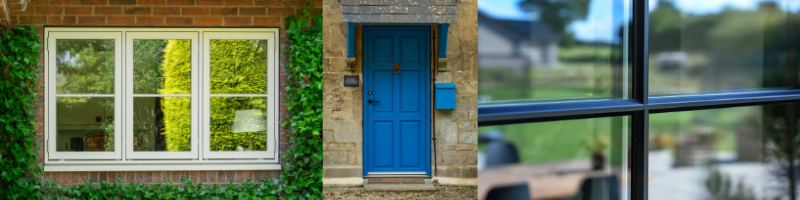

Make your home eco-friendly in the long term
Built in obsolescence is an issue. With many energy-efficient windows designed to look great on paper alongside commercial marketing campaigns, many smaller and more caring companies seem to get lost in all the noise. Is it better to buy a window with a U value at 0.8, replacing in less than 20 years because it’s reached end of life; or buying a window closer to 1.0 that can last over 60 years? We think the latter (equally, we can offer the 60 year lifespan with a 0.8 U value, but you get the point!)

We’ve talked about all the strict timber requirements adhered to by DVV members before, so we won’t go so in-depth again. The key takeaway is that Unik Funkis being part of the Danish Window Verification program means that they’re regularly inspected to make sure they’re producing windows to the highest Danish standard. Part of the requirements is accurately documenting the heat loss characteristics of their products in a way that gives customers complete transparency – it is incredibly easy to compare two DVV-certified products side by side in terms of their performance, making the task of choosing energy-saving solutions very simple.
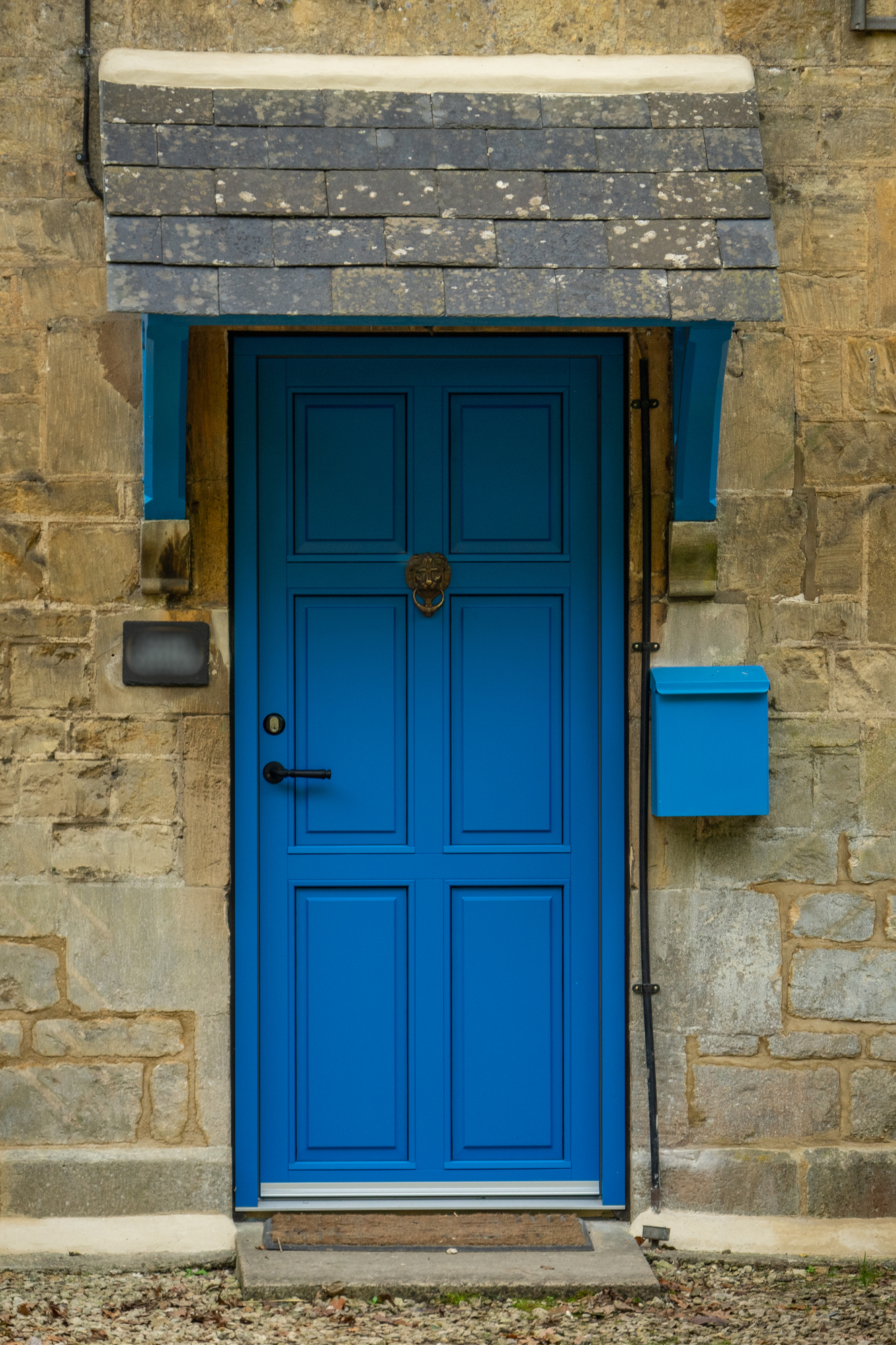
Energy-saving windows and doors obviously help your bank balance, but the best options also contribute to your general health and wellbeing. Unik Funkis’ products are approved by the Danish Indoor Climate Label: a non-profit organisation who extensively test the chemical compounds emitted from construction products. Ultimately, they’re aiming to promote building practices that are both healthy and sustainable. An approved window has spent 30 days being tested for any harmful emissions from odours to carcinogenics, and this includes any supplementary treatments a customer would be expected to keep on top of after the product leaves the factory (for example: re-oiling an oak frame).

As we say, there’s not point in going to all this trouble if the product is designed to need replacing regularly. An incredibly important area of product design is to ensure a customer receives a quality of timber that will stand the test of time. The 2ØKO system is a detailed set of stages to treat and protect a timber window. Employing multiple layers of water-dilutable wood protection and a fungicide pre-treatment, a 2ØKO prepared timber window is aiming for the best longevity possible. The timber itself is 90% heartwood – far more naturally resistant to moisture so, again, this gives the product you buy a longer serviceable lifespan.
 Unik Funkis heartwood endgrain showing consistent ring spacing
And Unik Funkis don’t just buy this in and blindly go ahead! Dye processes are employed at the very first stage of unpacking a timber shipment to make sure that what they’re being supplied with is up to scratch.
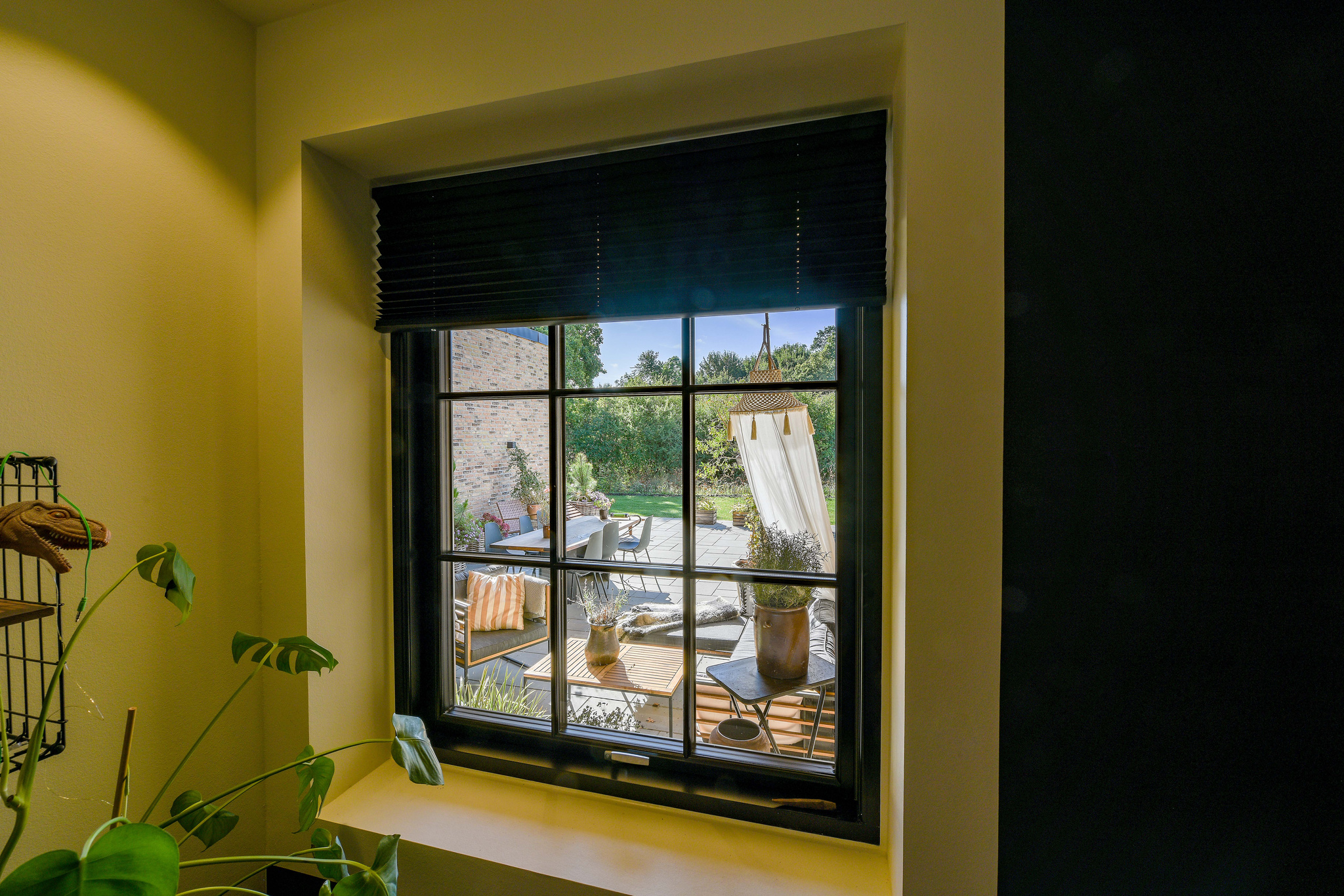
Beyond these, a Unik Funkis window is always engineered and finger-jointed – removing any imperfections that would reduce the life or add unnecessary maintenance to the product. We are fully aware that this removes us as an option for some listed buildings; we feel it’s better to take a step back than to try to promote a product with intentionally poorer quality.
 Unik Funkis finger jointed timber before being finished with lacquer
 Add the optional aluminium to the exterior of the timber base, and this combination provides the longest possible eco-friendly lifespan with minimal maintenance. The minimal maintenance is also important for the environmental impact because fewer chemicals are required over the years.